
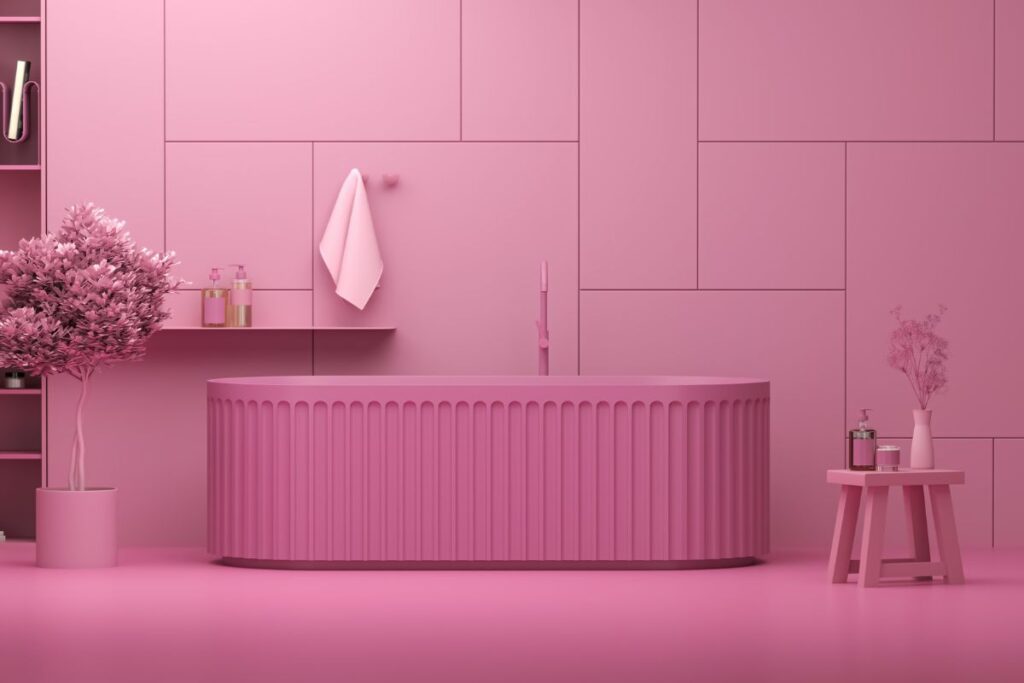
As we look ahead to 2025 and beyond, the world of interior design continues to evolve, blending timeless aesthetics with innovative approaches. Drawing insights from the WGSN report “Aesthetics Evolution 2025,” this article explores the transformation of 10 global perennial interior design trends. From minimalism to maximalism, and coastal to industrial styles, we’ll delve into each trend’s historical context, current relevance, and future projections. Join us on this journey through the ever-changing landscape of interior design, where sustainability, consumer preferences, and cutting-edge innovations shape our living spaces.
1. Industrial: Embracing the Future
Historical Context
The industrial aesthetic emerged in the late 20th century, inspired by the raw, utilitarian look of factories and warehouses. It celebrated exposed materials, functional elements, and a no-frills approach to design.
Current Relevance
Today, industrial design has evolved beyond its original rugged appearance. It now incorporates more refined elements while maintaining its core ethos of functionality and honesty in materials.
Future Projections
Looking towards 2025, the industrial aesthetic is set to take on a more futuristic angle. Key trends include:
- Hyper-industrial approaches emphasizing manufacturing processes
- Integration of 3D printing across manufacturing, materials, and applications
- A “fun-dustrial” direction that brings playfulness to utilitarian design
- Overlap with digital-real narratives through innovative surface treatments
Innovative Designs: Expect to see furniture that boldly showcases welding joints, oxidized metal finishes, and exaggerated industrial details. Lighting fixtures might incorporate exposed bulbs with high-tech LED elements for a blend of old and new.
Color Palette: While traditional industrial colors like grays and rusty browns will remain, look for injections of bold, unexpected hues to create visual interest and warmth.
Materials: Brushed metals, anodized surfaces, and clear glass will dominate. The use of recycled and upcycled materials will increase, aligning with sustainability trends.
Key Influencers: Keep an eye on designers like Tom Dixon, who consistently pushes the boundaries of industrial-inspired design, and emerging studios experimenting with 3D-printed metal furniture.
2. Digital-Real: Blurring the Lines
Historical Context
The digital-real aesthetic is a relatively new trend, born from the increasing integration of technology in our daily lives and the blurring of boundaries between physical and digital realms.
Current Relevance
As our lives become more intertwined with digital experiences, this aesthetic has gained significant traction, offering a way to bring the fluidity and dynamism of digital design into physical spaces.
Future Projections
By 2025, we can expect the digital-real trend to push even further:
- Emphasis on challenging perception through innovative designs
- Growth in digital distortions and “wiggles and waves” patterns
- Focus on multisensorial engagement, particularly with light
- Exploration of “Digital Cosy” concepts, merging technology with comfort
Innovative Designs: Look for furniture with morphing shapes that seem to defy physics, wallpapers with animated-like patterns, and lighting that mimics digital effects in real-time.
Color Palette: Expect a rise in the use of gradients, pearlescent finishes, and color-shifting materials that change appearance based on viewing angle or lighting conditions.
Materials: Smart materials that respond to touch or environmental changes will become more prevalent. 3D-printed pieces with complex, digitally-inspired geometries will also gain popularity.
Key Influencers: Studios like Zaha Hadid Design continue to be at the forefront of this trend, while tech companies collaborating with furniture designers are likely to produce innovative pieces.
3. Minimalism: Evolving Simplicity
Historical Context
Minimalism in interior design has its roots in the post-World War II era, influenced by Japanese design principles and the Bauhaus movement. It championed the idea that less is more, focusing on clean lines and uncluttered spaces.
Current Relevance
While minimalism remains popular, it has evolved to incorporate more warmth and personality, moving away from stark, clinical interpretations.
Future Projections
As we approach 2025, minimalism will continue to evolve:
- Integration of wellness concepts, focusing on restorative and calming elements
- Exploration of “warm minimalism” with inviting tactility and natural materials
- Emergence of “bold minimalism” that incorporates more daring color choices
- Continued importance of both curved and angular geometric forms
Innovative Designs: Expect to see multifunctional furniture that maintains clean lines while offering hidden storage or transformable features. Lighting designs might incorporate subtle, integrated LEDs that provide ambiance without visual clutter.
Color Palette: While neutrals will remain central, look for the introduction of bolder accent colors and tonal variations to add depth and interest to minimalist spaces.
Materials: Natural materials like wood, stone, and linen will be prominent, often with interesting textures to add sensory appeal without compromising the minimalist aesthetic.
Key Influencers: Brands like Muji continue to define accessible minimalism, while designers such as John Pawson push the boundaries of refined minimalist architecture and interiors.
4. Maximalism: Joyful Exuberance
Historical Context
Maximalism has roots in various historical design movements, from Victorian excess to 1980s opulence. It celebrates abundance, pattern mixing, and bold personal expression.
Current Relevance
After years of minimalism dominating design trends, maximalism has resurged as people seek to express individuality and create joy in their living spaces.
Future Projections
By 2025, maximalism will evolve in several exciting directions:
- Blending with minimalism to create spaces that are colorful yet controlled
- Emphasis on playful design elements that encourage interaction
- Rise of surrealist influences, particularly in decorative objects
- Focus on craft and artisanal techniques in creating layered, maximalist interiors
Innovative Designs: Look for modular furniture systems that allow for personal expression through mix-and-match elements. Wall coverings might feature interactive or changeable patterns to suit different moods or occasions.
Color Palette: Expect bold color juxtapositions, with a focus on unexpected combinations rather than a “more is more” approach to every hue.
Materials: Textured fabrics, bold prints, and materials that invite touch will be key. Sustainable materials used in innovative ways will add depth to maximalist designs.
Key Influencers: Kelly Wearstler continues to be a maximalist icon, while emerging designers from global cultures bring fresh perspectives to pattern mixing and color use.
5. Glam: Refined Luxury
Historical Context
Glam interior design has its roots in Hollywood’s golden age, characterized by luxurious materials, metallic accents, and a sense of opulence.
Current Relevance
Today’s glam interiors balance luxury with restraint, incorporating elements of other styles for a more personalized and contemporary look.
Future Projections
As we look to 2025, glam design will continue to evolve:
- Shift towards “low-key luxury” that blends glam with minimalist principles
- Exploration of darker, moodier glam aesthetics
- Incorporation of digital elements for a “meta-classical” approach
- Focus on creating “future heirlooms” that blend traditional craftsmanship with modern design
Innovative Designs: Expect furniture that combines classic silhouettes with unexpected materials or finishes. Lighting might incorporate smart technology within traditional-inspired forms.
Color Palette: While metallics will remain important, look for a shift towards darker, more complex metal tones and the introduction of deep, rich colors as alternatives to traditional glam pastels.
Materials: Luxurious fabrics like velvet will be joined by high-tech materials that offer both opulence and functionality. Marbles with intricate, almost digital-looking veining will gain popularity.
Key Influencers: Tom Ford’s foray into interior design exemplifies the modern glam aesthetic, while brands like Restoration Hardware continue to redefine traditional luxury for contemporary spaces.
6. Retro: Nostalgic Innovation
Historical Context
Retro design draws inspiration from past decades, particularly the mid-20th century, celebrating the styles, colors, and forms of bygone eras.
Current Relevance
Retro elements remain popular as they offer a sense of nostalgia and familiarity, often updated with modern materials and manufacturing techniques.
Future Projections
Looking ahead to 2025, retro design will see some interesting developments:
- Increased mixing of different era influences for an “alt-retro” direction
- Focus on sustainable practices through the use of vintage pieces and upcycling
- Exploration of retro-futurism, blending past visions of the future with contemporary design
- Continued strong influence from 1970s design, with growing interest in 1990s and Y2K aesthetics
Innovative Designs: Look for furniture that combines retro shapes with cutting-edge materials or technology, such as classic armchair silhouettes with integrated smart home features.
Color Palette: While retro colors will still be prominent, expect to see them used in new combinations or with contemporary neutrals for a fresh take.
Materials: Sustainable versions of classic materials like terrazzo made from recycled content will gain popularity. Technologically advanced fabrics that mimic vintage textures will also emerge.
Key Influencers: Brands like Gubi continue to reissue and reinterpret mid-century classics, while designers like India Mahdavi bring a contemporary twist to retro-inspired interiors.
7. Boho: Artisanal Evolution
Historical Context
Bohemian or “boho” style has its roots in the counterculture movements of the 1960s and 1970s, characterized by eclectic mixes of patterns, textures, and global influences.
Current Relevance
Today’s boho interiors balance the style’s free-spirited origins with a more curated approach, often incorporating sustainable and artisanal elements.
Future Projections
As we approach 2025, boho style will continue to evolve:
- Increased focus on artisanal and handcrafted elements
- Exploration of zero-waste craft and repair as design features
- Integration of Western-inspired details, particularly in patterns and textiles
- Emphasis on natural materials with unexpected treatments or colorations
Innovative Designs: Expect to see furniture that showcases traditional craftsmanship techniques alongside modern forms. Lighting might incorporate natural materials like woven grasses with LED technology.
Color Palette: While earthy tones will remain important, look for the introduction of unexpected color combinations and the use of natural dyes for a sophisticated boho palette.
Materials: Emphasis on natural fibers like jute, wool, and organic cotton, often in innovative weaves or unexpected applications. Carved and stained wood will also feature prominently.
Key Influencers: Brands like Anthropologie continue to shape the boho aesthetic for a mainstream audience, while designers such as Justina Blakeney push the boundaries with bold, plant-filled “jungalow” interiors.
8. Coastal: Beyond the Beach
Historical Context
Coastal design traditionally drew inspiration from seaside and nautical themes, characterized by blue and white color schemes, natural textures, and maritime motifs.
Current Relevance
Modern coastal interiors have moved beyond literal beach themes to embrace a broader, more sophisticated interpretation of seaside living.
Future Projections
Looking towards 2025, coastal design will see several new directions:
- Blending with other styles like boho and farmhouse for more layered interpretations
- Focus on pattern, particularly reimagined nautical stripes and wave-inspired motifs
- Exploration of “soft utility” for year-round coastal living
- Increased emphasis on sustainability and ocean conservation themes
Innovative Designs: Look for furniture that incorporates recycled ocean plastics or sustainable alternatives to traditional marine materials. Multifunctional pieces suited for indoor-outdoor living will gain prominence.
Color Palette: While blues will remain central, expect to see a broader range of ocean-inspired hues, including deep teals, soft corals, and sandy neutrals.
Materials: Sustainable versions of traditional coastal materials will be key. Expect innovations in recycled plastics, responsibly sourced woods, and plant-based alternatives to marine-derived materials.
Key Influencers: Kelly Wearstler’s Santa Monica Proper Hotel showcases a fresh take on coastal luxury, while brands like Serena & Lily continue to refine the classic coastal aesthetic.
9. Botanical: Nature Reimagined
Historical Context
Botanical design has long been influenced by the natural world, from Victorian-era conservatories to the 1970s houseplant boom.
Current Relevance
Today’s botanical interiors go beyond simple plant displays, incorporating nature-inspired patterns, materials, and forms throughout the design.
Future Projections
As we look to 2025, botanical design will evolve in several exciting ways:
- Integration of biophilic design principles and biomimicry in product development
- Exploration of dramatic botanical narratives, including “midnight tropics”
- Focus on edible gardens and “horticool” aesthetics
- Increased interest in the forms and textures of roots and fungi
Innovative Designs: Expect furniture that mimics natural growth patterns or incorporates living elements. Lighting designs might draw inspiration from bioluminescent organisms or the play of light through foliage.
Color Palette: While greens will remain prominent, look for a broader range of nature-inspired hues, including rich earth tones and unexpected pops of flower-inspired brights.
Materials: Bio-based materials and fabrics made from plant fibers will gain prominence. Expect to see more innovative uses of mycelium and other sustainable, plant-derived alternatives.
Key Influencers: Patrick Blanc’s vertical gardens continue to inspire, while companies like Biophilia are pushing the boundaries of integrating technology with botanical design.
10. Farmhouse: Modern Rusticity
Historical Context
Farmhouse style originated from the practical, unfussy interiors of rural homes, characterized by natural materials, functional designs, and a cozy, lived-in feel.
Current Relevance
Modern farmhouse design has gained immense popularity, blending rustic elements with contemporary clean lines and a more curated approach.
Future Projections
Looking ahead to 2025, farmhouse style will continue to evolve:
- Blending with artisanal boho elements for a more global, crafted feel
- Exploration of “cottagecore” and “cabincore” aesthetics
- Focus on sustainable practices, including restoration and upcycling
- Incorporation of modern interpretations of traditional crafts like quilting and woodworking
Innovative Designs: Look for furniture that combines traditional farmhouse forms with unexpected materials or manufacturing techniques, such as 3D-printed components mixed with handcrafted wood.
Color Palette: While neutrals will remain important, expect to see more colorful interpretations of farmhouse style, with bold hues used for accents or in modern takes on traditional patterns.
Materials: Reclaimed and sustainably sourced woods will be central, often paired with modern materials for contrast. Textiles will feature prominently, with a focus on natural fibers and traditional patterns reimagined.
Key Influencers: Chip and Joanna Gaines continue to shape mainstream farmhouse style, while designers like Leanne Ford bring a more minimalist, contemporary edge to rustic interiors.
Conclusion
As we look towards 2025 and beyond, it’s clear that the world of interior design is in a constant state of evolution. These ten perennial trends are not disappearing but rather transforming, blending with one another and adapting to new technologies, sustainability concerns, and changing consumer preferences.
The future of interior design lies in the ability to balance timeless aesthetics with innovation, creating spaces that are not only beautiful and functional but also reflective of our values and the world around us. Whether you’re drawn to the sleek lines of minimalism, the exuberance of maximalism, or the cozy comfort of farmhouse style, there’s a wealth of inspiration to be found in these evolving trends.
As we move forward, the key to successful interior design will be in thoughtful curation, sustainable practices, and a willingness to blend different styles to create truly personalized spaces. The exciting developments predicted for 2025 offer a glimpse into a future where our interiors are more adaptive, expressive, and in harmony with both technology and nature.
So, whether you’re a design professional looking to stay ahead of the curve or a homeowner seeking inspiration for your next project, keep these evolving trends in mind. The future of interior